

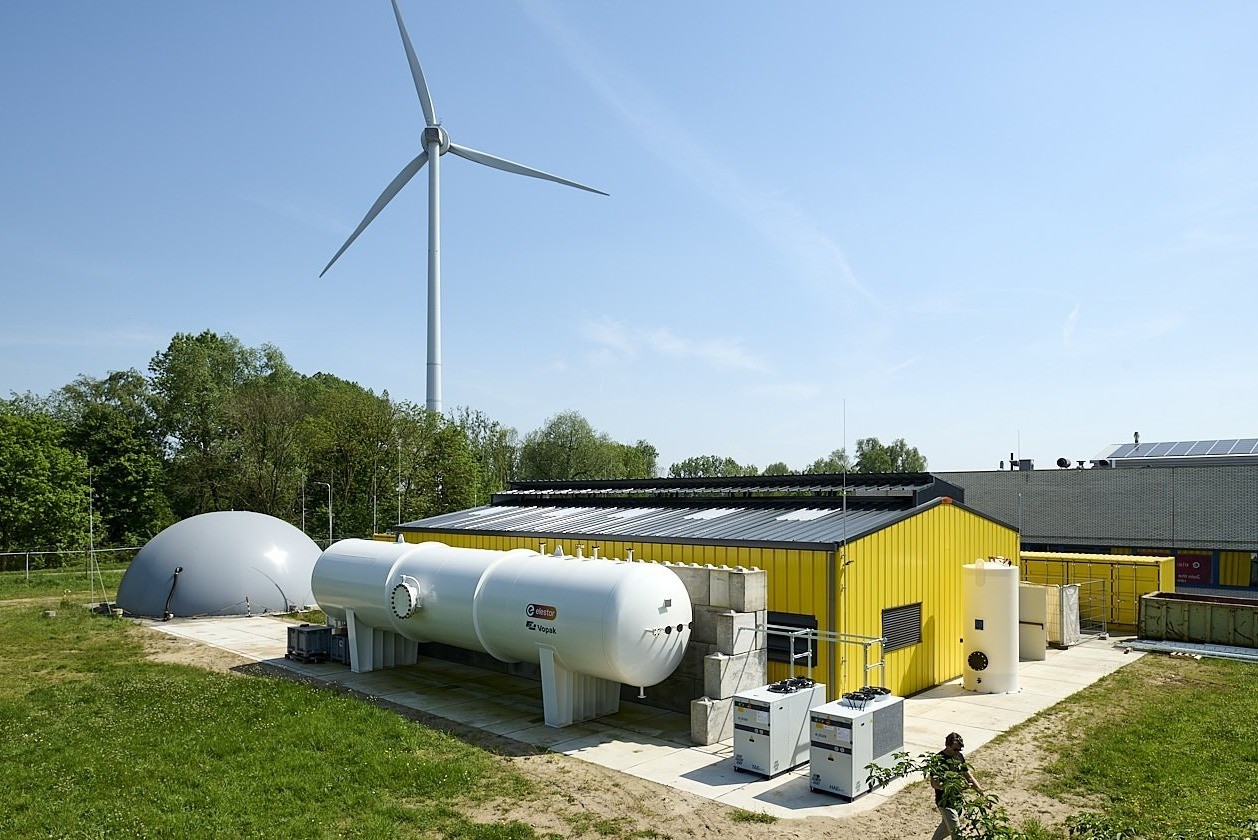
A Dutch battery manufacturer has developed a revolutionary hydrogen-iron flow battery that could reportedly power grids for decades while maintaining stable efficiency across tens of thousands of charge-discharge cycles.
Arnhem-based Elestor released a report evaluating its hydrogen-iron flow battery under continuous, commercially relevant conditions. The findings showed that the battery’s performance remained stable. It could potentially run for 20-25 years.
According to the firm, the results position hydrogen–iron flow battery technology as a durable, scalable, and cost-effective option for long-duration energy storage.
“The system combines a hydrogen gas circuit with an aqueous iron-based electrolyte, enabling independent scaling of power and energy while relying on abundant, low-cost active materials,” the company stated.
A new grid power battery
The study evaluated how the novel system performs under continuous operating conditions. The researchers tested a prototype made with the principles intended for industrial deployment.
Unlike conventional batteries, flow batteries separate power and energy storage. In Elestor’s system, the electrochemical stack sets its power output. The amount of stored energy depends on the size of external electrolyte tanks.
The battery uses hydrogen gas at the anode, and a dissolved iron salt electrode at the cathode. It stores and releases electricity through a reversible electrochemical reaction involving ferric and ferrous iron ions.
The electrode is water-based and relies on widely available materials. This helps avoid supply-chain challenges linked with lithium, cobalt or vanadium batteries. As durability is one of the most important factors for grid energy storage, the team ran a large-format cell stack.
The setup included a hydrogen-fed anode, a proton-conducting membrane, and a carbon-based cathode for iron redox reactions. An acidic aqueous electrolyte containing iron salts circulated continuously through the system during testing.
According to the firm, the experiments were conducted at elevated temperatures and constant current densities to reflect real industrial operation. During this time automated control systems monitored electrochemical performance and logged operational data.
Testing battery durability
The results revealed that the battery maintained stable efficiency through tens of thousands of charge-discharge cycles. It further achieved energy efficiency above 80 percent, with round-trip efficiency exceeding 75 percent at the system level.
What’s more, the team observed no structural degradation in the electrochemical core during the test period. Periodic conditioning restored the battery to optimal performance. These adjustments included operational changes rather than hardware replacement.
Simultaneously, short rest periods during testing also reduced internal resistance within the cells. This indicated that the materials undergo reversible equilibration during operation.
Based on the report, the company estimated that hydrogen-iron flow batteries could operate for up to 25 years in power grid applications. This could greatly improve energy storage economics by cutting replacement costs and extending the return on investment.
Furthermore, the firm estimated that the tech could reach capital costs around USD 17 (EUR 15) per kilowatt-hour (kWh). Over its lifetime, the system could deliver storage costs of about USD 0.02 (EUR 0.02) per kWh.
“This work positions hydrogen–iron flow battery technology as a durable, scalable and economically viable solution for long-duration energy storage,” Elestor stated in a statement.
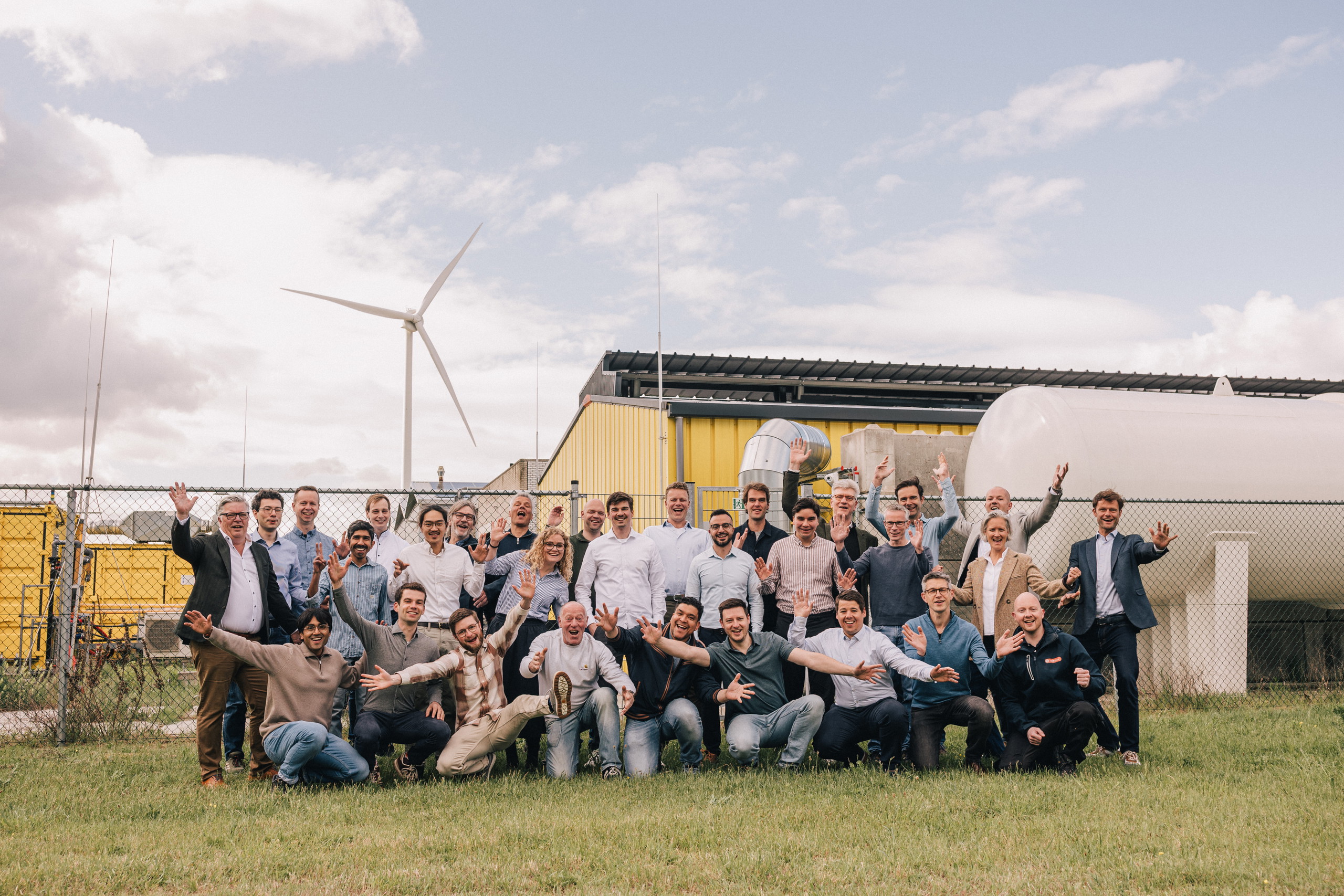
Elestor among the 10 most innovative SMEs in the Netherlands
We are proud to share that Elestor has been recognised as one of the 10 most innovative SMEs in the Netherlands, putting us in the running for the Dutch Innovation Award 2026!
Read more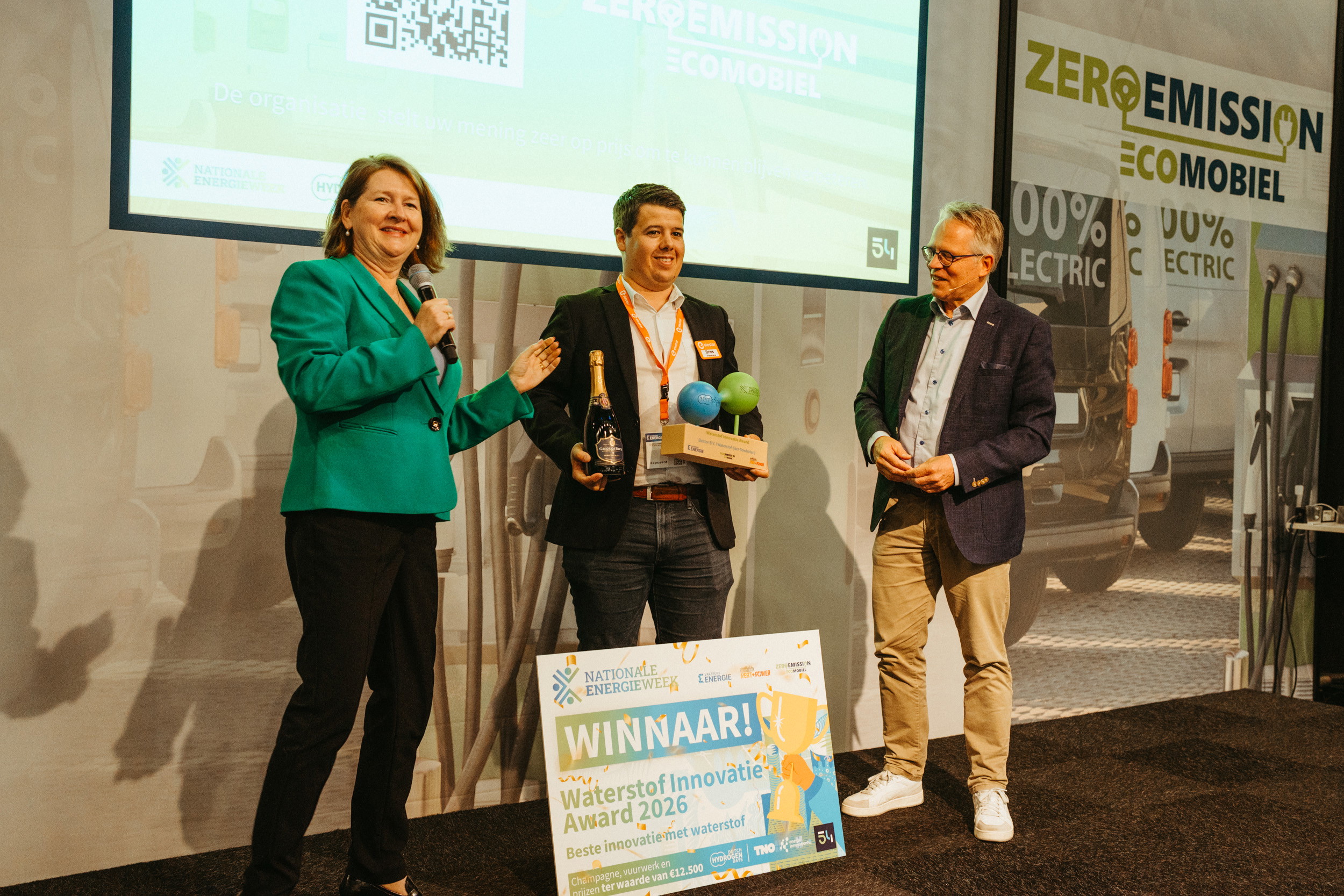
Elestor wins Hydrogen Innovation Award 2026
We are proud to share that Elestor has won the Hydrogen Innovation Award 2026 for our hydrogen–iron flow battery technology.
Read more
Elestor nominated for the Waterstof Innovatie Award 2026
We are pleased to announce that Elestor has been nominated for the Waterstof Innovatie Award 2026 with our hydrogen–iron flow battery technology.
Read more