
As Europe accelerates its transition to renewable energy, ensuring grid stability, energy sovereignty, and long-term storage capacity becomes increasingly urgent. Dutch energy storage company Elestor is addressing this challenge with its hydrogen-iron flow battery: a scalable, safe, and geopolitically independent solution purpose-built for large-scale, long-duration energy storage.
Unlike conventional lithium-ion or sodium-ion batteries, which are limited to short-duration applications, Elestor’s liquid-gas redox flow battery enables storage from 8 to 150 hours, ideal for bridging periods of low sun and wind, known as “Dunkelflautes”. This flexibility makes it a critical tool for a grid reliant on intermittent renewables.
The system’s design decouples power and energy: power is defined by the electrochemical cell stacks, and energy is stored in large tanks containing hydrogen gas and iron sulphate liquid. This modular architecture allows capacity to be scaled easily by adding more electrolyte, without duplicating the expensive power components. Both reactants are abundant, low-cost, and can be locally sourced, supporting Europe’s goal of strategic energy autonomy.
In an interview, CEO Hylke van Bennekom emphasizes that Elestor's approach reduces reliance on fossil fuels and foreign supply chains, while supporting economic and climate goals. “We are not building lab prototypes, we’re deploying real assets that keep critical infrastructure running,” he says.
The technology is also well-aligned with EU Battery Regulation (2023/1542) and major safety standards. The iron-based electrolyte is non-toxic, non-volatile, and requires no hazardous materials, simplifying permitting and increasing public and regulatory trust. Elestor works closely with fire brigades and public agencies to ensure deployments are both safe and scalable.
Following several successful pilots, Elestor will roll out its first industrial-scale hydrogen-iron flow battery in 2025, with a maximum power of 500 kW and up to 3 MWh of storage, this project will demonstrate the system’s readiness for commercial use. Larger commercial systems are expected by 2027–2028, offering standardised modules for widespread grid and industrial use.
European energy experts, including EASE and the European Energy Research Alliance, highlight the urgent need for distributed, long-duration storage as over half of Europe’s electricity will soon come from variable sources. Elestor’s hydrogen-iron flow battery is positioned as a key enabler of a resilient, sovereign, and fully renewable European energy system, ready to meet the moment.
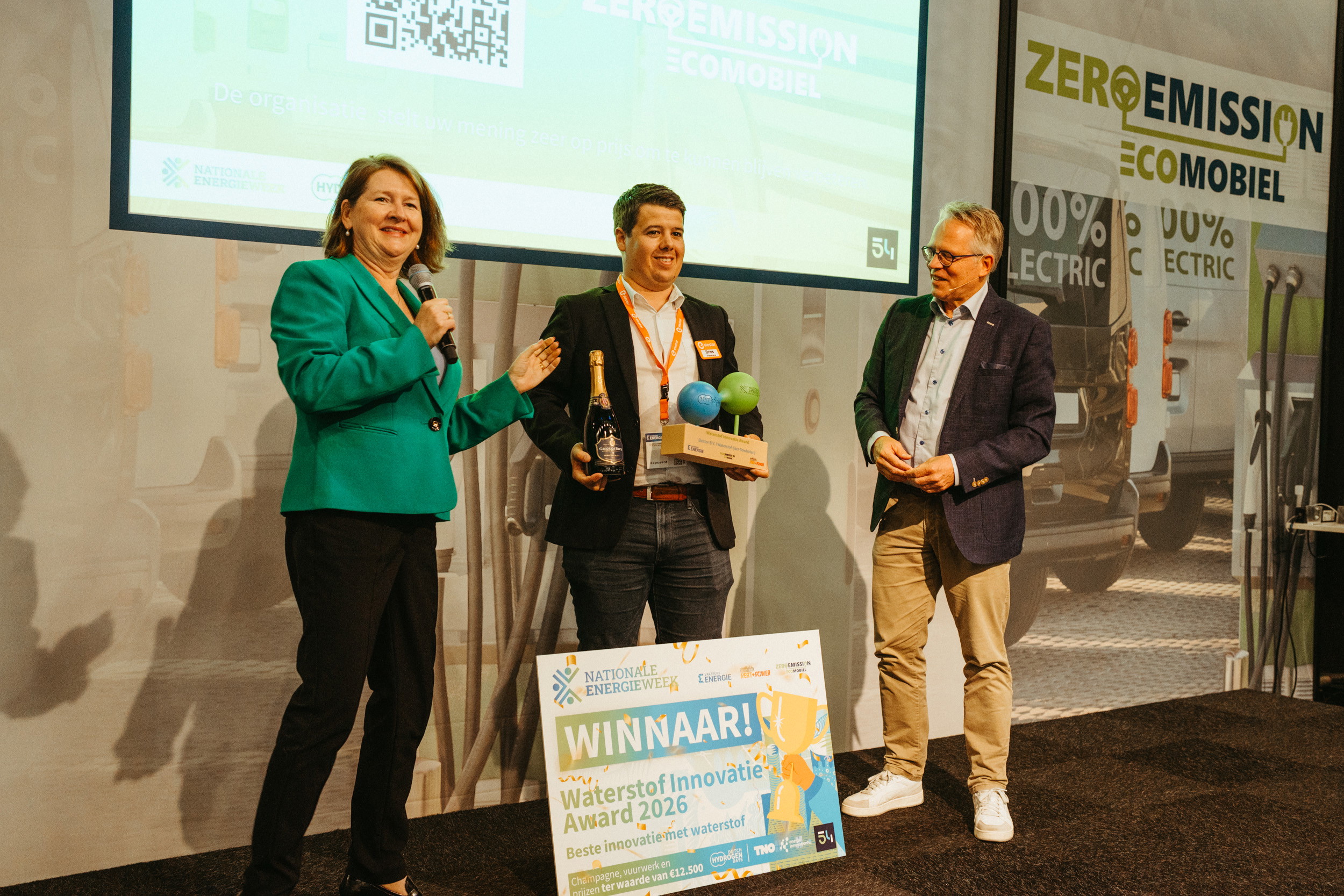
Elestor wins Hydrogen Innovation Award 2026
We are proud to share that Elestor has won the Hydrogen Innovation Award 2026 for our hydrogen–iron flow battery technology.
Read more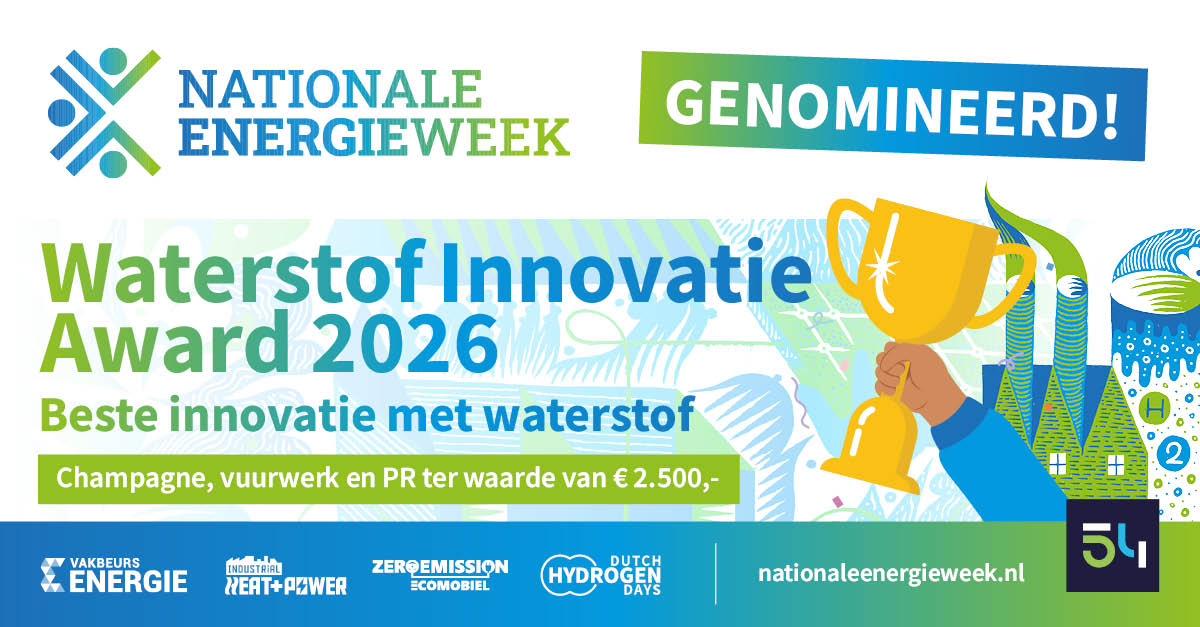
Elestor nominated for the Waterstof Innovatie Award 2026
We are pleased to announce that Elestor has been nominated for the Waterstof Innovatie Award 2026 with our hydrogen–iron flow battery technology.
Read more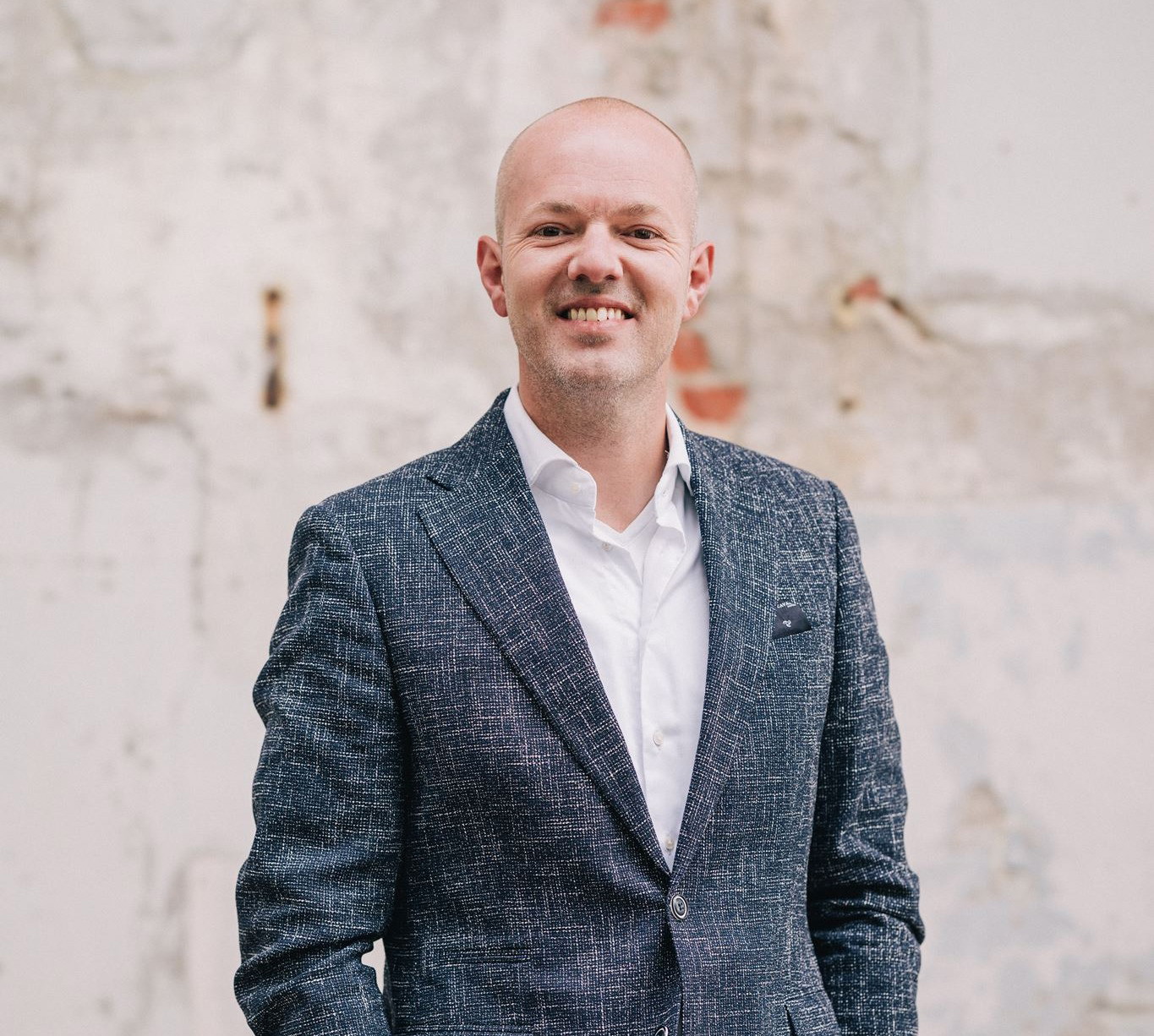
Interview with EE Aktuell
In an interview with Erneuerbare Energien Aktuell, our CEO Hylke van Bennekom explains how Elestor’s hydrogen-iron flow battery is designed for long-duration energy storage, and why that becomes increasingly important as renewable energy grows.
Read more