
Dutch company Elestor is accelerating the development of its long-duration energy storage (LDES) technology by switching from hydrogen-bromine to hydrogen-iron flow batteries. The move, aimed at commercial launch by 2027 or 2028, enhances safety, reduces costs, and avoids challenges related to the reactivity and regulation of bromine.
The new battery chemistry uses iron sulfate, making the system cheaper and easier to scale, while still capable of storing energy for several hours, far beyond lithium-ion’s typical 2–6 hour limit. Flow batteries store energy in liquid tanks, allowing capacity to be expanded simply by adding more fluid and tanks, without increasing the costly power components.
This summer, Elestor will launch its first industrial-scale pilot using the hydrogen-iron system, with a maximum power and capacity of 500 kW and 3 MWh, respectively. CEO Hylke van Bennekom says the goal is to bridge "Dunkelflaute" periods, times without sun or wind, by storing renewable energy for later use.
Though hydrogen-bromine remains promising for its high energy density, its complexity hinders large-scale deployment. In contrast, the iron-based system is safer, more scalable, and up to 50–60 times cheaper than vanadium flow batteries, the current market standard.
Elestor plans to introduce commercial systems starting in 2027–2028, with potential applications including wind and solar parks connected to factories or data centers. These batteries could enable continuous renewable energy usage and reduce the need to shut down wind turbines due to grid overloads, paving the way for a more balanced and fossil-free energy system.
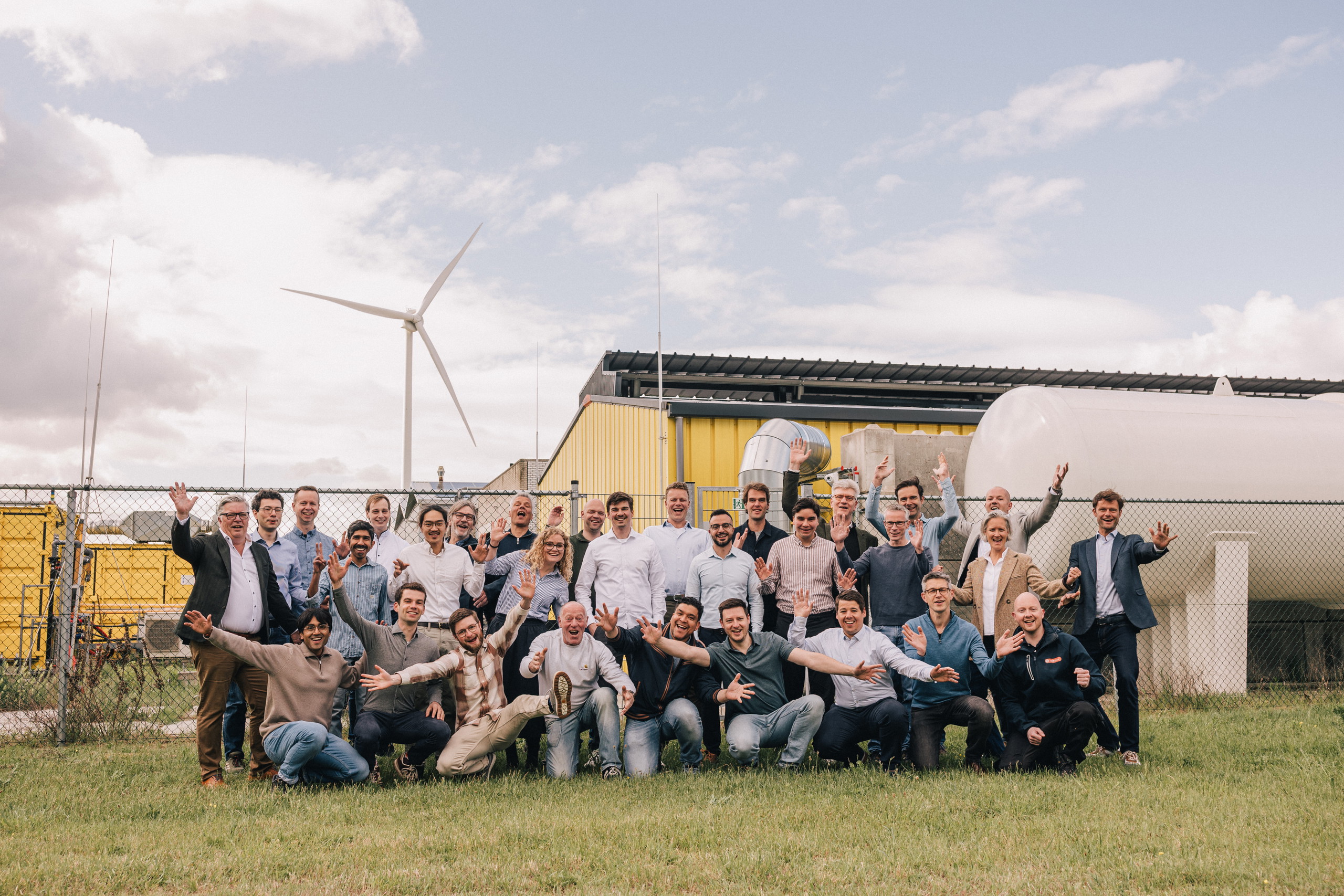
Elestor among the 10 most innovative SMEs in the Netherlands
We are proud to share that Elestor has been recognised as one of the 10 most innovative SMEs in the Netherlands, putting us in the running for the Dutch Innovation Award 2026!
Read more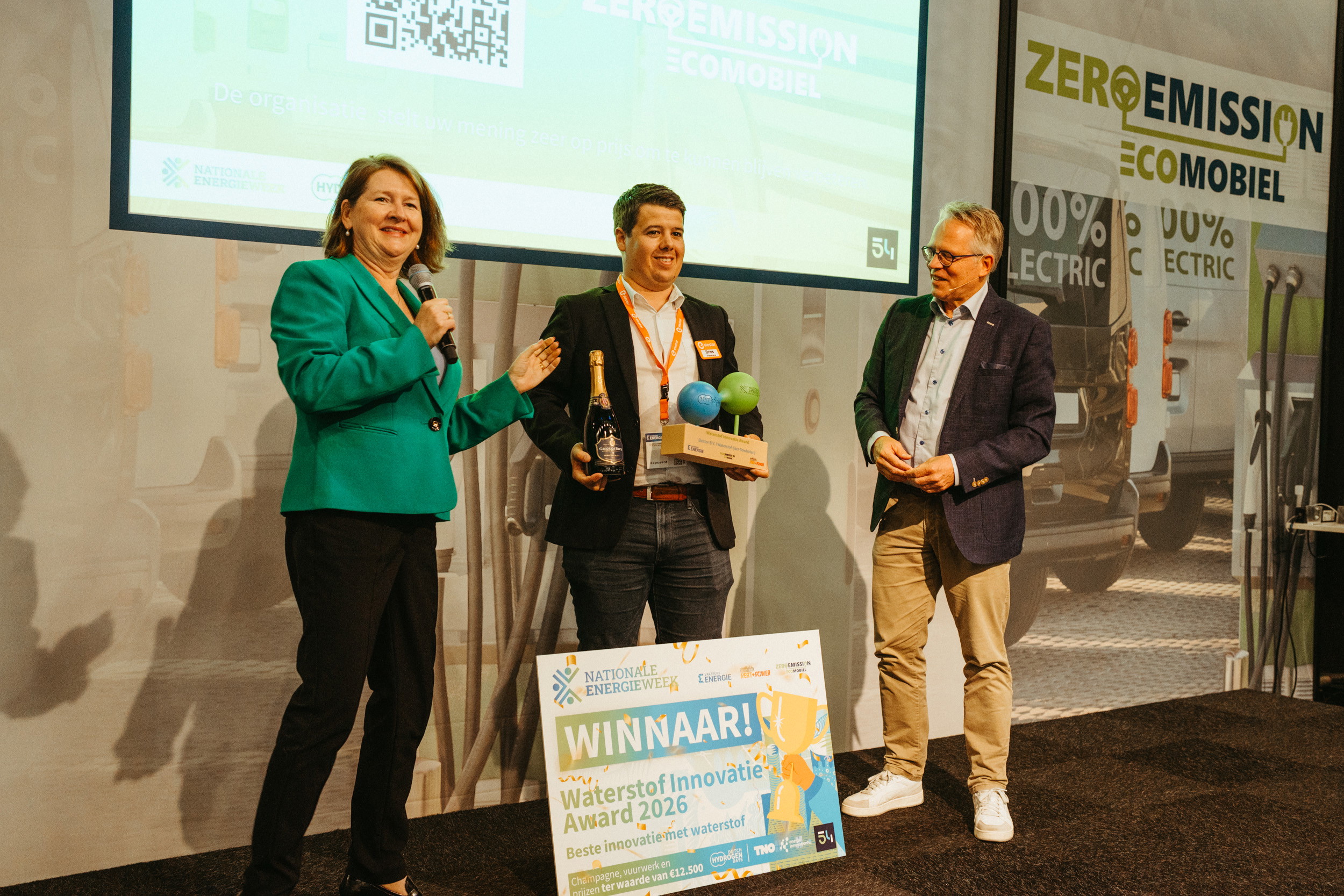
Elestor wins Hydrogen Innovation Award 2026
We are proud to share that Elestor has won the Hydrogen Innovation Award 2026 for our hydrogen–iron flow battery technology.
Read more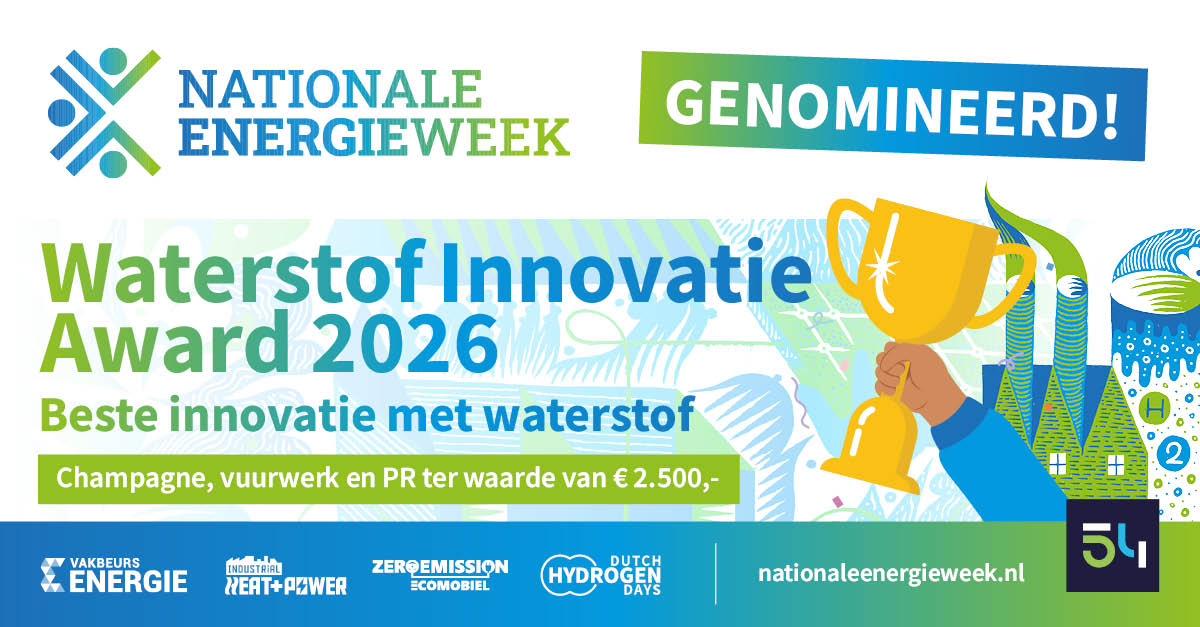
Elestor nominated for the Waterstof Innovatie Award 2026
We are pleased to announce that Elestor has been nominated for the Waterstof Innovatie Award 2026 with our hydrogen–iron flow battery technology.
Read more